

But the truth is that our makeup can cause eye infections, painful abrasions, or worse if used incorrectly. Here’s some helpful information on makeup, eye care, and tips for using makeup correctly without harming your eyes.
Eye Makeup Safety: How to Apply Your Makeup
There are thousands of varieties of makeup – manufacturers, brands, types, and colors – made with different ingredients and intended for different areas of the face. We’ll focus on a few main ones intended for use around the eyes.
Three important quick tips:
- Be sure to wash your hands before putting on your eye makeup.
- Take your makeup off each night before you go to bed.
- Never share eye makeup with a friend.
Moisturizers and Eye Creams
- What they’re used for: To rehydrate the skin in general, and/or to “plump up” the skin around the eyes, making dry skin or small wrinkles less noticeable. If you’ve noticed the first signs of aging in the skin around your eyes, it’s time to seek out a good moisturizer.
- How to use them properly: With the tip of a finger, “dot” the moisturizer or cream around your eyes, then gently spread it over your skin instead of rubbing it in. This prevents excess moisturizer from getting in your eye.
- When to replace them: If there’s no expiration date, moisturizers can last up to two years.
Mascara
- What it’s used for: To make eyelashes appear darker, thicker, or longer.
- How to use it properly: Use the mascara wand horizontally, as intended, and resist the urge to pick out individual lashes with the tip of the wand. That’s the easiest way to accidentally touch the wand to your cornea.
- What you need to know: Every time you pull the mascara wand out of its container or push it back in, you could be introducing bacteria, which could then travel to your eye and cause an infection.
- When to replace it: Mascara should be replaced every two to three months.
Eyeliner
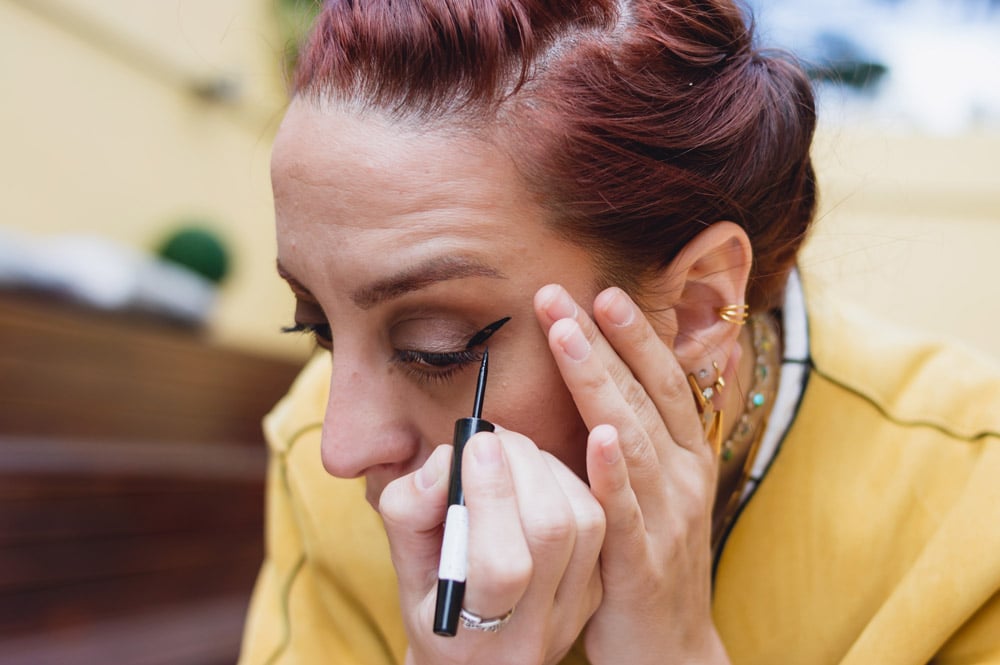
- What it’s used for: To “draw” an outline around the eye, very close to the upper and lower eyelids, making the shape of the eye appear larger and more noticeable.
- How to use it properly: The temptation is to pull the skin taut around the eye so the eyeliner line will be smooth. But be gentle when you do this; skin loses elasticity as you age. Avoid applying eyeliner right on the inside of their eyelids. This can clog the glands that secrete the essential oils necessary to stabilize your tears and protect the cornea.
- When to replace it: Pencil eyeliners can last up to two years.
Eyeshadow
- What it’s used for: To contour and add color to the skin, on the eyelid up to the brow bone.
- How to use it properly: Apply it with the brush, wand, applicator, or sponge that’s intended – not your fingers. You want to gently place the eye shadow on the lids. If it contains glitter (not recommended), be careful to keep your eye closed while applying the product.
- When to replace it: Cream eyeshadows can last up to 6 months. Powder eye shadows last up to a year if you use brushes instead of your fingers and keep the case and brushes clean and closed.
Eyelash Curlers, Makeup Brushes, and Makeup Sponges
- What they’re used for: To apply makeup or curl the lashes.
- How to use them properly: Keep them clean. Anything that comes into contact with your eyes and the area around them regularly can begin to trap bacteria. Wash and dry your eyelash curler and makeup brushes regularly, and never reuse a makeup sponge.
- When to replace them: In the case of eyelash curlers or makeup brushes, there’s no need to replace them if you wash them regularly. Makeup sponges should be thrown out after 1 day of use.
Eye Problems Often Caused by Makeup
If you think about it, a lot of makeup can disintegrate into tiny particles. Mascara can flake off, for instance, and eyeshadows are basically compressed powder (some even have glitter). Mascara and eyeliner have long applicators that can easily touch or scratch your cornea. Here are some common medical issues surrounding makeup:
- Allergic reactions: If your skin or the white of your eye gets red and irritated or itches, you might be having an allergic reaction to one or more ingredients. If you can’t tell which ingredient you are sensitive to, try using hypoallergenic makeup.
- Conjunctivitis, also known as pink eye, happens when bacteria get into your eye, most commonly from a mascara wand, eyeliner pencil, or liquid eyeliner applicator. Conjunctivitis is a bacterial or viral infection; if your irritation doesn’t clear up in a day, call your eye doctor’s office.
- Scratched cornea: Corneas are very easily scratched, especially when you get a speck of something in your eye and rub it. If you accidentally touch your cornea with your mascara or eyeliner applicator, stop and rinse your eye. If you wear contacts and feel a continuing irritation, wear your eyeglasses for a day or two instead. If the irritation persists for more than 24-48 hours, call your eye doctor.
How to Find Safe Eye Makeup
Over the years, some makeup manufacturers have changed the formulas for their products to eliminate ingredients that could possibly be harmful. Others haven’t done this, so it’s up to you to learn a little about ingredients and avoid the ones that could cause harm. For example, unsafe eye makeup can contain:
- Kohl (which may have lead in it)
- BHA (butylated hydroxy anisole)
- Benzophenone
- Formaldehyde
- Homosalate
- Methylisothiazolinone (MIT)
- Methylchloroisothiazolinone (CMIT)
- Ethanolamine compounds (MEA, DEA, TEA, and others)
- Sulfates and phthalates.
Hypoallergenic makeup is safer for anyone with sensitive eyes. To check the ingredients in your makeup, visit the Environmental Working Group (EWG) website and/or navigate to the cosmetics database, which lists the ingredients of more than 60,000 products. Plenty of websites and apps can help ensure you know what you’re applying for before you buy. Don’t make the mistake of thinking that the bigger brands are the safest, because that’s often not the case.
Your Future Eye Health and Appearance
Looking for a permanent solution, preferring a bare face?
Oculoplastics, called ophthalmic plastic surgery, involves surgery around the eye, eyelids, and brows. While many people might think of a brow lift or an eye lift only as a cosmetic procedure, there often are direct effects on a person’s vision.
Barnet Dulaney Perkins Eye Center specializes in all aspects of eye care, including eyelid surgery, cosmetic eyelid surgery, brow lifts, Botox injections, and dermal fillers.
Contact us with your questions, or schedule online for an appointment with our aesthetics specialists.