Selective Laser Trabeculoplasty (SLT)

When the eye’s drainage system becomes less efficient, pressure builds up, and that’s where treatments like SLT can help restore balance.

What Is Selective Laser Trabeculoplasty (SLT)?

SLT is a safe and effective laser treatment designed to lower eye pressure by improving how fluid drains from the eye. Unlike older laser methods, SLT uses short, low-energy laser pulses that selectively target pigmented cells in the trabecular meshwork — the area responsible for draining fluid.

The “selective” part of SLT means that only specific cells absorb the laser energy, leaving surrounding tissue unharmed. This precise, gentle approach makes SLT repeatable and ideal for patients who:

  • Need additional pressure control despite using glaucoma medications
  • Prefer to reduce or avoid daily eye drops
  • Cannot tolerate side effects of glaucoma medications
  • Have primary open-angle glaucoma or ocular hypertension

How the SLT Procedure Works

SLT is performed in-office and usually takes 5 to 10 minutes per eye:

  • Numbing eye drops are applied for comfort.
  • A special contact lens is placed to help focus the laser.
  • The laser delivers brief pulses of light to the trabecular meshwork.
  • The lens is removed, and the patient rests briefly before returning home.

Because SLT is non-invasive and doesn’t involve cutting or burning, there’s no tissue damage and no stitches or incisions. Most patients resume normal activities the same day.

A middle-aged eye doctor performs an SLT (Selective Laser Trabeculoplasty) glaucoma treatment using a slit lamp on a smiling Hispanic male patient in a bright, professional eye clinic.

What to Expect After SLT

After treatment, your doctor may prescribe a short course of anti-inflammatory eye drops to reduce irritation and support healing. Some patients experience mild blurriness, light sensitivity, or redness for a few hours — these temporary side effects usually resolve quickly.

Follow-up visits allow your doctor to monitor eye pressure (IOP) and ensure optimal results. SLT can reduce IOP by 20–30% on average, and its effect may last 3–5 years or longer. If pressure begins to rise again, the laser can often be repeated safely.

SLT vs. Glaucoma Medications

Features Glaucoma Eye Drops SLT
Mechanism Lowers pressure by reducing fluid production or improving outflow Stimulates natural drainage via laser pulses
Side Effects May cause redness, burning or systemic effects Mid temporary irritation possible
Adherence Requires daily use One-time procedure lasting years
Cost Ongoing expense for prescriptions Typically covered by insurance or Medicare
Sustainability May lose effectiveness over time Repeatable without tissue damage

Who Is a Candidate for SLT?

You may be a good candidate for SLT if you:

  • Have open-angle glaucoma or ocular hypertension
  • Are not achieving target pressure with medications
  • Experience side effects from glaucoma drops (such as redness or burning)
  • Find it difficult to adhere to a daily drop schedule
  • Want to reduce dependence on medications before considering surgery

Your Barnet Dulaney Perkins eye doctor will perform a detailed eye exam, measure your IOP, and discuss whether SLT fits into your treatment plan.

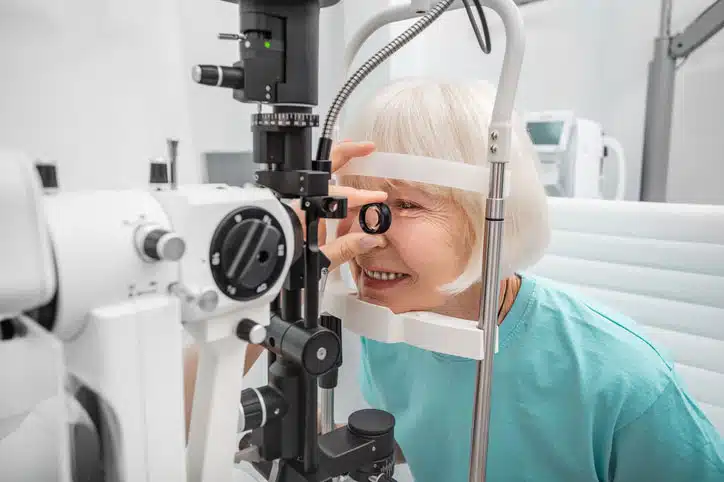
An older woman undergoes SLT (Selective Laser Trabeculoplasty) treatment for glaucoma, sitting at a slit lamp in a bright, modern eye clinic.

What to Expect During Treatment

1

Consultation

Your journey begins with a thorough glaucoma evaluation by your Barnet Dulaney Perkins eye doctor. If you are a candidate, your procedure will be scheduled — often within the same week.

2

Pre-Treatment Preparation

Numbing eye drops are applied to ensure comfort. You may receive pressure-lowering drops to stabilize your IOP before treatment.

3

The Laser Procedure

A special contact lens is gently placed on the eye to help the laser focus. The doctor delivers brief, painless laser pulses to the trabecular meshwork. The laser’s energy triggers cellular activity that helps fluid drain more effectively through your eye’s natural channels. The entire procedure takes 5 to 10 minutes per eye, and patients typically feel only a soft clicking sound or mild flash of light — no pain or pressure.

4

Post-Treatment Care

You’ll rest briefly in the office. The doctor may apply anti-inflammatory eye drops to calm mild irritation. Follow-up appointments are scheduled to monitor eye pressure.

5

Follow-Up and Results

Over the next several weeks, you’ll notice gradual pressure reduction as the eye’s drainage system becomes more efficient. Most patients experience a 20–30% reduction in IOP, which can last for three to five years or longer.

Safety and Side Effects of SLT

SLT is widely recognized as a safe, well-tolerated glaucoma treatment. Common, short-term side effects may include:

  • Mild eye redness or irritation
  • Slight blurriness for a few hours
  • Temporary light sensitivity
  • Rare, short-term IOP spike (monitored and managed by your doctor)


These effects typically resolve within a day or two, and long-term complications are extremely rare.

Life After SLT

Most patients resume work and daily activities immediately. You can wear contact lenses again after the first follow-up visit and drive as soon as your vision clears.

Regular eye exams remain essential to ensure your pressure stays controlled and to decide if retreatment or additional therapy is needed.

SLT can delay or even prevent the need for surgical glaucoma interventions, protecting vision for years.

Why Choose Barnet Dulaney Perkins Eye Center for SLT?

  • Experienced glaucoma specialists using advanced selective laser systems
  • Comprehensive care from diagnosis through long-term management
  • Convenient Arizona locations in Phoenix, Tucson, Scottsdale, and Flagstaff
  • Personalized treatment plans that integrate medications, SLT, or MIGS
  • Patient-focused care centered on safety, education, and lasting outcomes


Your vision deserves trusted, evidence-based care. At Barnet Dulaney Perkins Eye Center, we take a proactive approach to preserve sight and enhance your quality of life.

Frequently Asked Questions About SLT

No. SLT is a painless procedure. Numbing drops are used beforehand, and most patients only feel a gentle clicking sensation or see flashes of light.

The treatment typically lasts 5–10 minutes per eye, followed by a brief recovery period in the office.

Pressure reduction often begins within a few weeks, with full results seen around the 6–8 week mark.

Most patients enjoy lower eye pressure for three to five years or longer. The laser can be safely repeated if pressure begins to rise again.

Some patients are able to reduce or discontinue medications, but your doctor will decide based on your IOP goals and overall glaucoma status.

Schedule Your SLT Consultation

If you’ve been diagnosed with glaucoma or ocular hypertension, or if your eye pressure remains high despite medications, Selective Laser Trabeculoplasty may be the right next step. Schedule an appointment with a glaucoma specialist today!

Locations

Doctors